
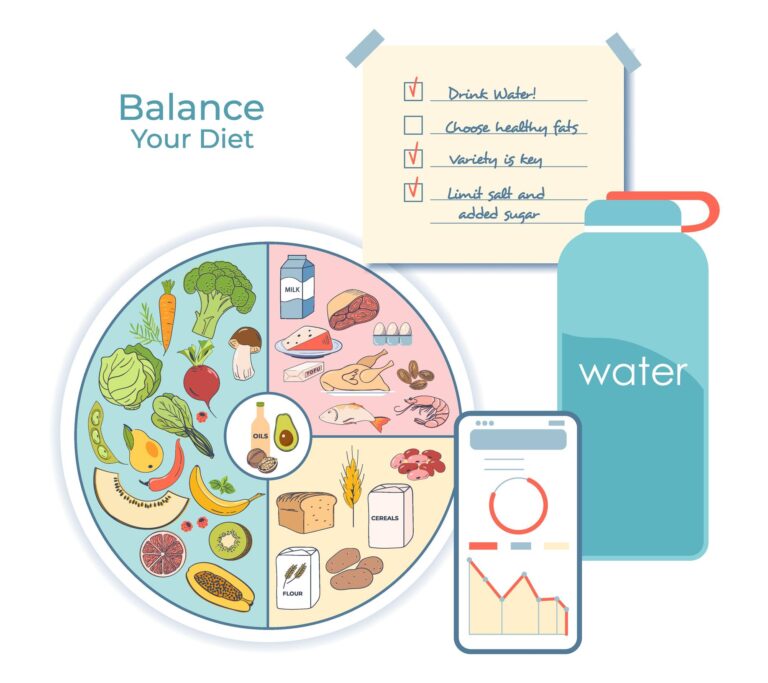
Eating a balanced diet is one of the most effective ways to maintain good health and prevent chronic diseases. However, many people struggle to understand what “balanced nutrition” actually means. With so many diet trends and conflicting advice online, it’s easy to feel overwhelmed.
According to the Centers for Disease Control and Prevention, poor nutrition contributes to conditions such as heart disease, obesity, and type 2 diabetes—three of the leading health concerns in the United States. At the same time, research from the National Institutes of Health shows that adopting healthy eating habits can significantly improve energy levels, support immune function, and reduce the risk of chronic illness.
The good news? You don’t need a complicated diet plan to eat well. A balanced diet simply means consuming a variety of nutrient-rich foods in the right proportions to support your body’s needs.
In this beginner’s guide, you’ll learn what a balanced diet looks like, why it matters, and how to build healthier meals step by step.
What Is a Balanced Diet?
A balanced diet provides your body with essential nutrients—carbohydrates, proteins, fats, vitamins, minerals, and water—in the right amounts.
These nutrients help the body:
- Produce energy
- Repair tissues
- Support brain function
- Maintain immune health
- Regulate hormones
The US Department of Agriculture recommends a healthy eating pattern that includes fruits, vegetables, whole grains, lean protein, and healthy fats.
The Five Essential Food Groups
A balanced diet includes foods from the following categories.
| Food Group | Examples | Key Nutrients | Benefits |
| Fruits | Apples, berries, oranges | Vitamins, antioxidants | Supports immunity |
| Vegetables | Spinach, broccoli, carrots | Fiber, minerals | Promotes digestion |
| Whole Grains | Brown rice, oats, quinoa | Complex carbs, fiber | Provides long-lasting energy |
| Protein | Chicken, fish, beans, eggs | Amino acids | Builds muscles and tissues |
| Healthy Fats | Avocado, nuts, olive oil | Omega-3 fatty acids | Supports heart and brain health |
Including foods from each group ensures your body gets a wide range of nutrients.
Why a Balanced Diet Is Important
Eating a variety of nutritious foods helps protect your health in several ways.
1. Supports Heart Health
Diets rich in fruits, vegetables, and whole grains help lower cholesterol and blood pressure.
2. Helps Maintain Healthy Weight
Balanced meals help control calorie intake while keeping you full longer.
3. Improves Energy Levels
Nutrient-rich foods provide sustained energy throughout the day.
4. Strengthens Immune System
Essential vitamins and minerals help the body fight infections.
Key Nutrients Your Body Needs
Understanding macronutrients and micronutrients can help you make smarter food choices.
Macronutrients
These nutrients provide energy.
Carbohydrates
Carbs are the body’s main energy source.
Healthy sources include:
- Whole grains
- Fruits
- Vegetables
- Legumes
Protein
Protein supports muscle repair and tissue growth.
Examples include:
- Lean meat
- Fish
- Eggs
- Beans
- Tofu
Healthy Fats
Healthy fats support brain and heart health.
Good sources:
- Olive oil
- Avocados
- Nuts and seeds
- Fatty fish
Micronutrients
Micronutrients include vitamins and minerals that support important bodily functions.
| Nutrient | Sources | Function |
| Vitamin C | Citrus fruits, peppers | Immune support |
| Calcium | Dairy, leafy greens | Bone health |
| Iron | Spinach, red meat | Oxygen transport |
| Vitamin D | Sunlight, fish | Bone and immune health |
How to Build a Balanced Meal
One of the easiest ways to eat healthy is by following the balanced plate method.
Balanced Plate Example
| Portion | Food Type |
| 50% | Vegetables and fruits |
| 25% | Whole grains |
| 25% | Lean protein |
| Small portion | Healthy fats |
This method helps ensure proper nutrient balance without complicated calorie counting.
Simple Tips to Start Eating a Balanced Diet
Making dietary changes doesn’t have to be difficult. Small adjustments can make a big difference.
1. Eat More Whole Foods
Choose natural foods instead of heavily processed products.
2. Add More Fruits and Vegetables
Aim for at least five servings daily.
3. Drink Enough Water
Hydration supports digestion and metabolism.
4. Limit Added Sugar
Reduce sugary beverages and snacks.
5. Plan Your Meals
Meal planning can help prevent unhealthy choices.
Common Mistakes to Avoid
Many beginners make these mistakes when trying to eat healthier.
Skipping Meals
Skipping meals can lead to overeating later.
Following Extreme Diets
Restrictive diets are difficult to maintain long term.
Ignoring Portion Sizes
Even healthy foods should be consumed in appropriate portions.
Relying on Processed “Health” Foods
Many packaged foods marketed as healthy contain hidden sugars or sodium.
Sample Balanced Meal Plan (Beginner Friendly)
| Meal | Example |
| Breakfast | Oatmeal with berries and almonds |
| Lunch | Grilled chicken salad with olive oil dressing |
| Snack | Greek yogurt and fruit |
| Dinner | Salmon, quinoa, and roasted vegetables |
This type of meal plan provides balanced nutrition throughout the day.
Frequently Asked Questions
What is the easiest way to start a balanced diet?
Start by including more fruits, vegetables, whole grains, and lean proteins in your meals while reducing processed foods and added sugars.
How many calories should a balanced diet include?
Calorie needs vary depending on age, gender, and activity level. Most adults require between 1,800 and 2,400 calories per day.
Can a balanced diet help with weight loss?
Yes. Balanced diets help control hunger, improve metabolism, and promote sustainable weight management.
Is it okay to have occasional treats?
Yes. Moderation is key. Healthy eating allows room for occasional indulgences without guilt.
Do I need supplements if I eat a balanced diet?
Most people can get necessary nutrients from food, but supplements may be recommended by healthcare providers in certain cases.
Internal Linking Suggestions
To strengthen your blog’s SEO, link this article with related posts such as:
- 10 Daily Habits for a Healthy Lifestyle
- Best Foods for Heart Health
- Healthy Morning Routine for Better Energy
Trusted Health References
Information in this guide is supported by trusted health authorities including:
- Centers for Disease Control and Prevention
- National Institutes of Health
- US Department of Agriculture
Conclusion
A balanced diet doesn’t require strict dieting or complicated nutrition plans. Instead, it focuses on variety, moderation, and nutrient-rich foods that nourish your body and support long-term health.
By incorporating more whole foods, balancing your meals, and making small improvements to your eating habits, you can create a sustainable lifestyle that benefits both your physical and mental well-being.
Start today by making one healthy change to your daily meals—your body will thank you for it.