Author

betterhealthvision

Browsing

Diabetes is one of the most common chronic health conditions in the world, affecting millions of people every year. In the United States alone, more than 37 million people live with diabetes, and about 1 in 5 individuals with the condition are unaware they have it, according to the Centers for Disease Control and Prevention.

Diabetes occurs when the body cannot properly regulate blood sugar (glucose) levels. Over time, uncontrolled blood sugar can damage the heart, kidneys, nerves, and eyes.

Recognizing the symptoms of diabetes early can make a significant difference. Early diagnosis allows individuals to manage blood sugar levels through lifestyle changes, medications, and medical care.

In this guide, we’ll explore the most common symptoms of diabetes, risk factors, and when to seek medical help.

What Is Diabetes?

Diabetes is a chronic condition that affects how the body processes glucose. Glucose is the primary source of energy for the body’s cells.

The hormone insulin, produced by the pancreas, helps glucose enter cells for energy. When insulin doesn’t work properly or isn’t produced in sufficient amounts, glucose builds up in the bloodstream.

The National Institutes of Health identifies three main types of diabetes:

TypeDescription
Type 1 DiabetesThe body produces little or no insulin
Type 2 DiabetesThe body becomes resistant to insulin
Gestational DiabetesDevelops during pregnancy

Type 2 diabetes is the most common form, accounting for about 90–95% of all diabetes cases.

Why Recognizing Symptoms Early Matters

Early detection of diabetes can prevent serious complications.

Potential complications of untreated diabetes

  • Heart disease
  • Kidney damage
  • Vision problems
  • Nerve damage
  • Stroke

The American Diabetes Association emphasizes that early diagnosis and proper management can help individuals live healthy and active lives.

Common Symptoms of Diabetes

While symptoms may vary from person to person, several warning signs are commonly associated with diabetes.

1. Frequent Urination

Frequent urination, especially at night, is one of the earliest signs of diabetes.

Why it happens

When blood sugar levels become too high, the kidneys work harder to remove excess glucose through urine.

This causes the body to produce more urine than normal.

2. Increased Thirst

Excessive thirst often occurs along with frequent urination.

When the body loses fluids through urination, dehydration triggers the brain to signal thirst.

People with diabetes may feel the need to drink water more often than usual.

3. Unexplained Weight Loss

Sudden weight loss without dieting or exercise can be a warning sign of diabetes.

Why this occurs

When cells cannot absorb glucose properly, the body begins to break down fat and muscle for energy.

This process can lead to noticeable weight loss.

4. Extreme Fatigue

Persistent tiredness is another common symptom of diabetes.

When the body cannot use glucose efficiently for energy, individuals may feel:

  • Weak
  • Exhausted
  • Low in energy throughout the day

5. Blurred Vision

High blood sugar levels can affect the eyes by causing fluid shifts in the lenses.

This can lead to temporary blurred vision.

If untreated, diabetes may lead to serious eye conditions such as diabetic retinopathy.

6. Slow Healing Wounds

Cuts and wounds that take longer to heal may indicate high blood sugar levels.

Causes

High glucose levels can damage blood vessels and reduce blood circulation, slowing the body’s natural healing process.

7. Frequent Infections

People with diabetes may experience frequent infections such as:

  • Skin infections
  • Urinary tract infections
  • Gum infections

High blood sugar can weaken the immune system, making it harder for the body to fight infections.

8. Tingling or Numbness in Hands and Feet

Nerve damage caused by prolonged high blood sugar can lead to:

  • Tingling sensations
  • Numbness
  • Burning pain in the hands or feet

This condition is known as diabetic neuropathy.

Key Risk Factors for Diabetes

Several lifestyle and genetic factors increase the risk of developing diabetes.

Risk FactorDescription
Family historyGenetics may increase susceptibility
Overweight or obesityExcess body fat affects insulin sensitivity
Sedentary lifestyleLack of physical activity
High blood pressureLinked to metabolic disorders
Poor dietHigh sugar and processed foods

Understanding these risk factors can help individuals take preventive steps.

How to Reduce Your Risk of Diabetes

Adopting healthy lifestyle habits can significantly reduce the risk of developing type 2 diabetes.

1. Maintain a Healthy Diet

A balanced diet helps regulate blood sugar levels.

Recommended foods

  • Whole grains
  • Fresh fruits and vegetables
  • Lean proteins
  • Healthy fats

Limiting processed foods and sugary drinks is also important.

2. Exercise Regularly

Physical activity improves insulin sensitivity and helps control blood sugar levels.

Experts recommend at least 150 minutes of moderate exercise weekly.

Examples include:

  • Walking
  • Cycling
  • Swimming
  • Strength training

3. Maintain a Healthy Weight

Losing even a small amount of excess weight can significantly reduce diabetes risk.

Healthy weight management improves insulin function and metabolic health.

4. Monitor Blood Sugar Levels

People with risk factors should consider regular blood sugar screening.

Routine checkups help detect early changes before symptoms appear.

When to See a Doctor

You should consult a healthcare professional if you experience:

  • Persistent thirst
  • Frequent urination
  • Unexplained weight loss
  • Extreme fatigue
  • Blurred vision

Early diagnosis can help prevent serious complications and improve long-term health outcomes.

Frequently Asked Questions (FAQ)

What are the early signs of diabetes?

Common early symptoms include frequent urination, increased thirst, fatigue, blurred vision, and unexplained weight loss.

Can diabetes develop without symptoms?

Yes. Many individuals with type 2 diabetes experience mild or no symptoms in the early stages.

Who is most at risk for diabetes?

People with obesity, family history of diabetes, sedentary lifestyles, and high blood pressure are at greater risk.

Can lifestyle changes prevent diabetes?

Yes. Healthy eating, regular exercise, and weight management can significantly reduce the risk of type 2 diabetes.

How often should blood sugar levels be checked?

Individuals with risk factors should discuss screening frequency with their healthcare provider.

Internal Linking Suggestions

To improve your website SEO and user experience, link this article with related posts such as:

  • 10 Daily Habits for a Healthy Lifestyle
  • Beginner’s Guide to a Balanced Diet
  • Home Workout Plan for Beginners

Internal linking strengthens topical authority and improves navigation.

External References

Information in this article is supported by trusted health organizations:

  • Centers for Disease Control and Prevention
  • American Diabetes Association
  • National Institutes of Health

Conclusion

Diabetes is a serious but manageable health condition. Recognizing the symptoms of diabetes early—such as frequent urination, increased thirst, fatigue, and blurred vision—can help individuals seek medical care before complications develop.

The good news is that healthy lifestyle choices, including balanced nutrition, regular exercise, and routine health screenings, can significantly reduce the risk of developing diabetes.

Taking proactive steps today can protect your long-term health and improve overall well-being.

Your health matters—pay attention to the signs your body is sending and take action when necessary.

Heart disease remains one of the leading health concerns worldwide and continues to be the number one cause of death in the United States. According to the Centers for Disease Control and Prevention, about 1 in 5 deaths in the U.S. is caused by heart disease. The condition often develops slowly over time, making it difficult to recognize until symptoms become severe.

However, many people experience early warning signs of heart disease long before a major event like a heart attack occurs. Recognizing these signs early can help individuals seek medical care and prevent serious complications.

Experts from the American Heart Association emphasize that early detection and lifestyle changes can significantly reduce the risk of heart disease.

In this guide, we’ll explore the early symptoms, risk factors, and prevention strategies that can help you protect your heart and overall health.

What Is Heart Disease?

Heart disease refers to a group of conditions that affect the heart and blood vessels. The most common type is coronary artery disease, which occurs when arteries become narrowed or blocked due to plaque buildup.

Other types of heart disease include:

  • Heart rhythm disorders (arrhythmias)
  • Heart valve disease
  • Heart failure
  • Congenital heart defects

Many forms of heart disease develop gradually, which is why understanding the early warning signs is crucial.

Why Early Detection Matters

Early detection can help prevent severe complications such as heart attacks, strokes, or heart failure.

Benefits of early diagnosis

  • Prevents disease progression
  • Improves treatment outcomes
  • Reduces risk of heart attack
  • Supports healthier lifestyle changes

The National Institutes of Health notes that lifestyle modifications and early treatment can significantly lower cardiovascular risk.

Common Early Signs of Heart Disease

Not everyone experiences the same symptoms, but several early warning signs are commonly reported.

1. Chest Discomfort or Pain

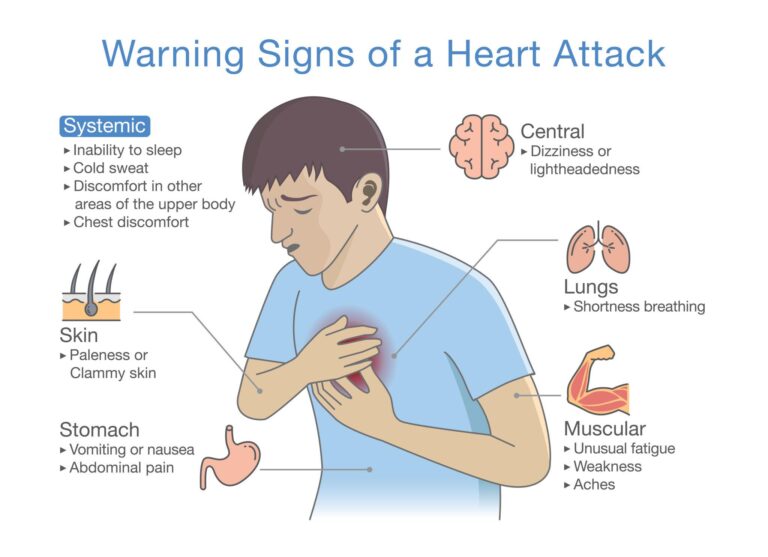
Chest pain, also known as angina, is one of the most recognized signs of heart disease.

What it may feel like

  • Pressure or tightness in the chest
  • Burning or squeezing sensation
  • Pain that spreads to arms, neck, or jaw

This symptom occurs when the heart muscle doesn’t receive enough oxygen-rich blood.

2. Shortness of Breath

Difficulty breathing during normal activities may indicate that the heart is struggling to pump blood efficiently.

Common situations

  • Climbing stairs
  • Walking short distances
  • Lying down

Shortness of breath may occur before or during chest discomfort.

3. Unusual Fatigue

Persistent fatigue that cannot be explained by lifestyle factors may be an early warning sign of heart disease.

Why it happens

When the heart cannot pump blood efficiently, the body receives less oxygen and nutrients, leading to extreme tiredness.

Women often report fatigue as an early symptom before a heart attack.

4. Dizziness or Lightheadedness

Reduced blood flow to the brain can cause dizziness or fainting.

This symptom may occur when the heart cannot maintain stable blood circulation.

5. Swelling in Legs, Ankles, or Feet

Fluid retention in the lower body may indicate heart problems.

Causes

  • Reduced heart pumping ability
  • Blood circulation issues
  • Fluid buildup in tissues

This condition is commonly associated with heart failure.

6. Irregular Heartbeat

An abnormal or irregular heartbeat may feel like:

  • Fluttering in the chest
  • Rapid heartbeat
  • Skipped beats

Occasional irregular heartbeats are common, but frequent episodes should be evaluated by a healthcare professional.

7. Pain in Other Areas of the Body

Heart-related pain may not always appear in the chest.

It can spread to:

  • Arms
  • Neck
  • Jaw
  • Back
  • Shoulders

This type of pain may occur during physical activity or emotional stress.

Key Risk Factors for Heart Disease

Several factors increase the likelihood of developing heart disease.

Risk FactorDescription
High blood pressureDamages blood vessels over time
High cholesterolLeads to plaque buildup in arteries
SmokingReduces oxygen supply and damages arteries
ObesityIncreases strain on the heart
DiabetesRaises cardiovascular risk
Physical inactivityWeakens heart health

Managing these risk factors can significantly reduce heart disease risk.

How to Reduce Your Risk of Heart Disease

Prevention plays a crucial role in maintaining heart health.

1. Eat a Heart-Healthy Diet

A nutritious diet supports cardiovascular health.

Recommended foods

  • Fruits and vegetables
  • Whole grains
  • Lean proteins
  • Healthy fats like olive oil and nuts

Limiting processed foods and excessive salt can also help reduce blood pressure.

2. Exercise Regularly

Physical activity strengthens the heart muscle and improves circulation.

The Centers for Disease Control and Prevention recommends 150 minutes of moderate exercise weekly.

Examples include:

  • Walking
  • Cycling
  • Swimming
  • Strength training

3. Maintain a Healthy Weight

Excess body weight increases strain on the heart and raises the risk of high blood pressure and diabetes.

Gradual lifestyle changes such as balanced eating and regular activity can help maintain a healthy weight.

4. Manage Stress

Chronic stress can raise blood pressure and contribute to heart disease.

Practices such as meditation, yoga, and deep breathing can help reduce stress levels.

5. Get Regular Health Checkups

Routine medical screenings help detect risk factors early.

Important tests include:

TestPurpose
Blood pressureDetect hypertension
Cholesterol testEvaluate artery health
Blood glucoseMonitor diabetes risk
ECGAssess heart rhythm

Early diagnosis allows doctors to recommend preventive measures.

When to See a Doctor

You should seek medical attention if you experience:

  • Persistent chest discomfort
  • Severe shortness of breath
  • Fainting or dizziness
  • Sudden fatigue
  • Irregular heartbeat

Early medical evaluation can prevent serious complications.

Frequently Asked Questions (FAQ)

What are the first warning signs of heart disease?

Common early symptoms include chest discomfort, shortness of breath, fatigue, and dizziness.

Can heart disease develop without symptoms?

Yes. Some individuals may not experience noticeable symptoms until the condition becomes severe.

Who is most at risk for heart disease?

People with high blood pressure, diabetes, obesity, smoking habits, or family history are at higher risk.

Can lifestyle changes prevent heart disease?

Yes. Healthy eating, regular exercise, and stress management significantly reduce cardiovascular risk.

How often should heart health be checked?

Adults should have regular health screenings and discuss cardiovascular risk with their healthcare provider.

Internal Linking Suggestions

To strengthen your website SEO, link this article to related posts such as:

  • 10 Daily Habits for a Healthy Lifestyle
  • Beginner’s Guide to a Balanced Diet
  • How to Reduce Stress Naturally

Internal linking helps improve user experience and search engine rankings.

External References

Information in this article is supported by trusted health organizations:

  • Centers for Disease Control and Prevention
  • American Heart Association
  • National Institutes of Health

Conclusion

Heart disease often develops silently, but recognizing the early signs of heart disease can make a life-saving difference. Symptoms such as chest discomfort, fatigue, shortness of breath, and irregular heartbeat should never be ignored.

The good news is that many risk factors can be managed through healthy lifestyle choices, including balanced nutrition, regular exercise, and routine medical checkups.

Taking proactive steps today can help protect your heart and improve your long-term health.

Your heart works for you every day—taking care of it is one of the most important investments in your health.

Stress has become a common part of modern life. From work responsibilities to financial concerns and daily obligations, many people experience stress regularly. While short-term stress can sometimes motivate us to perform better, chronic stress can negatively impact both physical and mental health.

According to the American Psychological Association, nearly three out of four adults in the United States report experiencing physical or emotional symptoms of stress. Prolonged stress has been linked to conditions such as anxiety, heart disease, high blood pressure, and sleep disorders.

Research from the National Institutes of Health also shows that natural stress management techniques—including exercise, mindfulness, and healthy lifestyle habits—can significantly improve mental health and emotional resilience.

The good news is that you don’t always need medication or complicated therapy programs to manage stress effectively. Many simple lifestyle practices can help reduce stress naturally and restore a sense of balance.

In this guide, we’ll explore practical, science-backed ways to reduce stress naturally and improve your overall well-being.

What Causes Stress?

Stress is the body’s natural response to challenges or perceived threats. When you feel stressed, your body releases hormones like cortisol and adrenaline, triggering the “fight or flight” response.

Common stress triggers include:

  • Work pressure and deadlines
  • Financial concerns
  • Relationship problems
  • Health issues
  • Lack of sleep
  • Information overload

While occasional stress is normal, chronic stress can weaken the immune system and affect emotional health.

Signs and Symptoms of Stress

Recognizing the symptoms of stress early can help you take action before it affects your health.

Physical symptoms

  • Headaches
  • Muscle tension
  • Fatigue
  • Digestive issues
  • Trouble sleeping

Emotional symptoms

  • Irritability
  • Anxiety
  • Difficulty concentrating
  • Mood swings

Behavioral symptoms

  • Overeating or loss of appetite
  • Procrastination
  • Social withdrawal

If these symptoms persist for weeks, it may be time to adopt stress-management techniques.


10 Natural Ways to Reduce Stress

Below are evidence-based strategies that can help reduce stress naturally.

1. Practice Deep Breathing

Deep breathing activates the body’s relaxation response and reduces cortisol levels.

Simple breathing exercise

  1. Sit comfortably with your back straight.
  2. Inhale slowly through your nose for four seconds.
  3. Hold the breath for four seconds.
  4. Exhale slowly through your mouth for six seconds.

Repeating this exercise for 5–10 minutes can quickly calm the nervous system.

2. Exercise Regularly

Physical activity is one of the most effective natural stress relievers.

According to the Centers for Disease Control and Prevention, regular exercise helps improve mood and reduce anxiety.

Stress-reducing exercises

ActivityBenefits
WalkingImproves mood and circulation
YogaCombines movement with relaxation
CyclingBoosts cardiovascular health
Strength trainingReleases endorphins

Aim for 30 minutes of moderate exercise most days of the week.

3. Get Enough Sleep

Sleep and stress are closely connected. Poor sleep can increase cortisol levels and worsen emotional stress.

Experts from the National Sleep Foundation recommend 7–9 hours of sleep per night for adults.

Tips for better sleep

  • Maintain a consistent bedtime
  • Avoid screens before sleep
  • Keep your bedroom cool and dark
  • Limit caffeine in the evening

4. Practice Mindfulness or Meditation

Mindfulness meditation helps train the mind to stay present and reduce anxiety.

Studies have shown that regular meditation can lower stress hormones and improve emotional control.

Beginner meditation practice

  • Sit quietly for 5–10 minutes
  • Focus on your breathing
  • Gently bring attention back when your mind wanders

Over time, mindfulness can improve mental clarity and emotional resilience.

5. Spend Time in Nature

Nature has a calming effect on the mind and body.

Research suggests that spending time outdoors can reduce stress levels, improve mood, and enhance creativity.

Simple ways to connect with nature

  • Walk in a park
  • Go hiking
  • Spend time near water
  • Garden or care for plants

Even 15–20 minutes outside can have noticeable stress-relieving effects.

6. Eat a Balanced Diet

Nutrition plays a significant role in stress management.

Certain nutrients help regulate mood and support brain function.

Stress-supporting nutrients

NutrientFood Sources
MagnesiumSpinach, nuts, whole grains
Omega-3 fatty acidsSalmon, walnuts
Vitamin BEggs, leafy greens
AntioxidantsFruits and vegetables

A balanced diet helps stabilize blood sugar and improve overall energy levels.

7. Limit Caffeine and Sugar

Excess caffeine and sugar can increase anxiety and cause energy crashes.

Reducing these stimulants may help stabilize mood and prevent stress spikes.

Consider replacing sugary drinks with:

  • Herbal tea
  • Water with lemon
  • Fresh fruit smoothies

8. Connect With Friends and Family

Social support is essential for emotional health.

Talking to someone you trust can provide perspective and emotional relief during stressful situations.

Ways to strengthen connections

  • Schedule regular phone calls
  • Spend quality time with family
  • Join social groups or communities

Strong relationships can act as a buffer against stress.

9. Manage Your Time Effectively

Poor time management can increase stress and overwhelm.

Time management tips

  • Prioritize important tasks
  • Break large tasks into smaller steps
  • Use a daily planner
  • Avoid multitasking

Organizing your schedule can reduce mental clutter and improve productivity.

10. Practice Relaxing Hobbies

Engaging in enjoyable activities helps the brain recover from stress.

Examples include:

  • Reading
  • Painting or drawing
  • Listening to music
  • Cooking
  • Gardening

These activities help shift focus away from stress and promote relaxation.

Benefits of Managing Stress Naturally

Reducing stress naturally can improve multiple aspects of health.

BenefitImpact
Better mental healthReduced anxiety and depression
Improved sleepHigher energy levels
Stronger immune systemReduced illness risk
Better heart healthLower blood pressure
Improved focusIncreased productivity

Healthy stress management supports long-term physical and emotional well-being.

Frequently Asked Questions

What is the fastest way to reduce stress naturally?

Deep breathing and short walks are among the fastest ways to calm the body and reduce stress hormones.

Can exercise help relieve stress?

Yes. Physical activity releases endorphins, which improve mood and reduce stress.

How does sleep affect stress?

Lack of sleep increases cortisol levels, making stress more difficult to manage.

Are natural stress-relief methods effective?

Yes. Practices like meditation, exercise, and balanced nutrition are supported by scientific research and health experts.

When should someone seek professional help for stress?

If stress becomes overwhelming, persistent, or interferes with daily life, it is important to consult a healthcare professional.

Internal Linking Suggestions

To strengthen your blog SEO, link this article to related posts such as:

  • 10 Daily Habits for a Healthy Lifestyle
  • Beginner’s Guide to a Balanced Diet
  • Home Workout Plan for Beginners

These internal links improve site structure and user engagement.

External References

Information in this article is supported by trusted health organizations:

  • American Psychological Association
  • National Institutes of Health
  • Centers for Disease Control and Prevention
  • National Sleep Foundation

Conclusion

Stress is a natural part of life, but chronic stress doesn’t have to control your well-being. By incorporating simple daily habits—such as exercise, mindfulness, healthy eating, and strong social connections—you can reduce stress naturally and improve both mental and physical health.

Remember, managing stress is not about eliminating challenges but learning how to respond to them in healthier ways.

Start with one or two of the strategies discussed in this guide and gradually build a routine that works best for you.

Your journey toward a calmer, healthier life can begin today.

Home Workout Plan for Beginners

Home workout plan for beginners is one of the most effective ways to build healthy lifestyle habits without needing a gym. In the United States, less than 25% of adults meet the recommended physical activity guidelines, according to the Centers for Disease Control and Prevention.

The good news is that you can improve your health with simple daily healthy habits and a structured home routine. You don’t need expensive equipment—just consistency and the right plan.

📑 Table of Contents

  • Why Home Workouts Are Effective
  • Benefits of Daily Exercise
  • Beginner Home Workout Plan
  • Weekly Healthy Routine Daily
  • Simple Health Tips for Beginners
  • FAQs
  • Conclusion

Why Home Workouts Are Effective

Home workouts are convenient and beginner-friendly.

Benefits:

  • No gym required
  • Flexible schedule
  • Comfortable environment
  • Saves time and money

They are a great way to start how to live a healthy lifestyle.

Benefits of Daily Exercise

Adding exercise to your healthy routine daily improves overall well-being.

Benefit Impact
Heart health Reduces disease risk
Weight control Burns calories
Mental health Reduces stress
Energy levels Improves stamina

The American Heart Association recommends at least 150 minutes of moderate exercise weekly.

Home Workout Plan for Beginners

This simple plan includes bodyweight exercises for full-body fitness.

Warm-Up Routine (5–10 Minutes)

Always start with a warm-up to prevent injuries.

Exercises:

  • Jumping jacks (1 min)
  • Arm circles (1 min)
  • Light jogging (2 min)
  • Stretching (2–3 min)

Beginner Workout Routine

Exercise Reps Sets
Squats 10–15 3
Push-ups 8–12 3
Lunges 10 each leg 3
Plank 20–30 sec 3
Glute bridges 12–15 3

👉 Rest 30–60 seconds between sets.

Cool-Down Routine

After exercise, cool down your body.

  • Stretch muscles
  • Deep breathing
  • Relax for 5 minutes

Weekly Healthy Routine Daily Plan

Day Activity
Monday Full-body workout
Tuesday Walking or light activity
Wednesday Full-body workout
Thursday Yoga or stretching
Friday Full-body workout
Saturday Cardio
Sunday Rest

This plan helps maintain daily healthy habits.

Simple Health Tips for Workout Beginners

Here are simple health tips to stay consistent.

1. Start Slow

Don’t overdo it in the beginning.

2. Focus on Form

Proper technique prevents injury.

3. Stay Consistent

Consistency builds strong healthy lifestyle habits.

4. Stay Hydrated

Drink water before and after workouts.

5. Eat Balanced Meals

Good nutrition supports recovery.

6. Track Your Progress

Keep a workout log to stay motivated.

7. Get Enough Sleep

Recovery is essential for muscle growth.

8. Set Realistic Goals

Start small and increase gradually.

9. Listen to Your Body

Avoid pushing through pain.

10. Make It Enjoyable

Choose workouts you enjoy to maintain wellness tips for daily life.

Common Mistakes to Avoid

Avoid these beginner mistakes:

  • Skipping warm-up
  • Overtraining
  • Poor form
  • Inconsistent workouts

Fixing these helps improve results faster.

FAQs

How often should beginners work out?

3–4 times per week is ideal.

Do I need equipment for home workouts?

No. Bodyweight exercises are enough.

How long should a workout be?

20–30 minutes is sufficient.

Can home workouts help with weight loss?

Yes, combined with a healthy diet.

How long before I see results?

4–6 weeks with consistency.

External References

Conclusion

A home workout plan for beginners is a powerful way to improve your health and fitness. By following this plan and building consistent daily healthy habits, you can achieve long-term results.

Start small. Stay consistent. Over time, your efforts will transform your body and mind.

👉 Take your first step today and commit to a healthier lifestyle.

Medical Disclaimer

This content is for informational purposes only and does not replace professional medical advice. Consult a healthcare provider before starting any fitness program.

Beginner’s Guide to a Balanced Diet

Beginner’s guide to a balanced diet is the first step toward building healthy lifestyle habits that improve your overall well-being. In the United States, poor nutrition is a major contributor to chronic diseases such as obesity, heart disease, and type 2 diabetes. According to the Centers for Disease Control and Prevention, many adults do not meet recommended dietary guidelines.

The good news? You don’t need complicated meal plans. With simple, consistent daily healthy habits, you can create a sustainable and healthy way of eating.

📑 Table of Contents

  • What Is a Balanced Diet?
  • Why Healthy Eating Matters
  • Food Groups in a Balanced Diet
  • How to Build a Balanced Meal
  • Simple Health Tips for Beginners
  • Sample Healthy Routine Daily
  • FAQs
  • Conclusion

What Is a Balanced Diet?

https://images.openai.com/static-rsc-4/t2n9ax_IyQtiESd_hzRZm-kUALU07N0sL6OhWf7OaGuClu-EbxXSdO8yJ0FSWpMLZ27KsVCU5nDZqGQicU3IkbtEN_KaROVRpo26ozV7AB2emcPGhDzjaWj98quKAmPR3SUthGWfzSLMgCWWvTLvXVlzduE1k_VyBrqdrOqZsVQLPeam1OPTiqLRwiS900t9?purpose=fullsize

A balanced diet provides your body with the right mix of nutrients needed to function properly.

Key components:

  • Carbohydrates
  • Protein
  • Healthy fats
  • Vitamins and minerals
  • Water

These nutrients support energy, growth, and overall health.

Why Healthy Eating Matters

Developing healthy living tips early can reduce your risk of chronic diseases.

Benefits:

  • Better energy levels
  • Improved digestion
  • Stronger immune system
  • Healthy weight management

Research from the National Institutes of Health confirms that balanced nutrition plays a key role in long-term health.

Food Groups in a Balanced Diet

To follow how to live a healthy lifestyle, include all major food groups.

Food Group Examples Benefits
Fruits Apples, berries Rich in vitamins
Vegetables Spinach, carrots High in fiber
Grains Brown rice, oats Energy source
Protein Chicken, beans Muscle growth
Healthy Fats Nuts, olive oil Heart health

How to Build a Balanced Meal

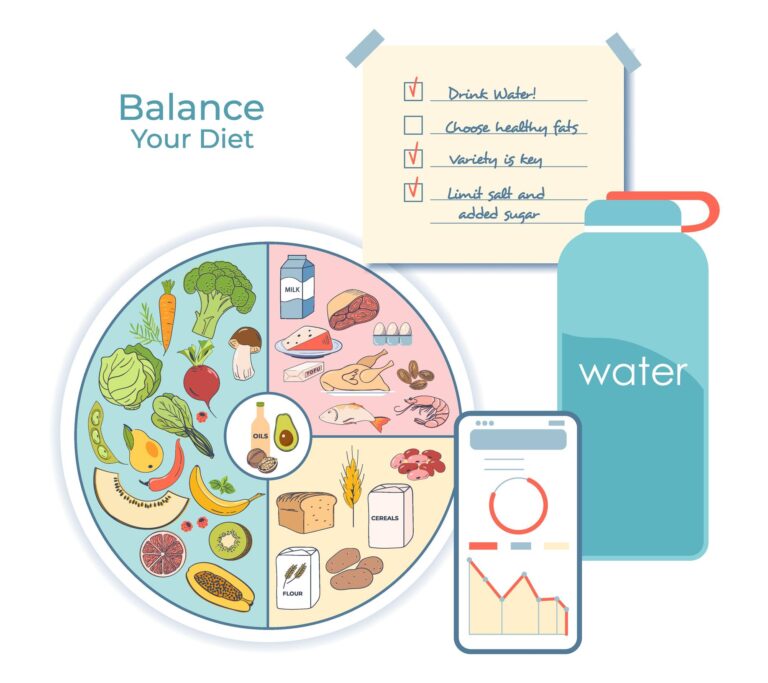
A simple way to eat healthy is by using the plate method.

Balanced Plate Rule:

Portion Food
50% Vegetables & fruits
25% Whole grains
25% Protein
Small portion Healthy fats

This method supports a healthy routine daily without calorie counting.

Beginner’s Guide to a Balanced Diet: Simple Health Tips

Here are practical simple health tips to get started.

1. Eat More Whole Foods

Whole foods are less processed and more nutritious.

Examples:

  • Fresh fruits
  • Vegetables
  • Whole grains

2. Control Portion Sizes

Even healthy foods should be eaten in moderation.

👉 Use smaller plates to manage portions.

3. Stay Hydrated

Water supports digestion and metabolism.

👉 Drink at least 8 glasses daily.

4. Limit Added Sugar

Too much sugar can increase health risks.

👉 Choose natural alternatives like fruits.

5. Plan Your Meals

Meal planning helps maintain daily healthy habits.

  • Prepare meals in advance
  • Avoid unhealthy snacking

6. Include Protein in Every Meal

Protein keeps you full longer and supports muscle health.

7. Don’t Skip Meals

Skipping meals can lead to overeating later.

8. Add More Fiber

Fiber improves digestion and keeps you full.

9. Cook More at Home

Home cooking gives you control over ingredients.

10. Be Consistent

Consistency is key when building wellness tips for daily life.

🧾 Sample Balanced Diet Plan

Meal Example
Breakfast Oatmeal with fruits
Lunch Grilled chicken salad
Snack Yogurt and nuts
Dinner Fish with vegetables

Benefits of a Balanced Diet

Benefit Impact
Better energy Improved productivity
Weight control Healthy body
Heart health Lower risk of disease
Mental clarity Better focus

Frequently Asked Questions (FAQ)

What is a balanced diet?

A diet that includes all essential nutrients in proper proportions.

How can beginners start healthy eating?

Start by adding more fruits, vegetables, and whole foods.

How many meals should I eat daily?

3 main meals and 1–2 healthy snacks.

Can a balanced diet help weight loss?

Yes. It promotes healthy and sustainable weight management.

Do I need supplements?

Most nutrients can be obtained from food, but consult a doctor if needed.

External References

Conclusion

A balanced diet is the foundation of a healthy life. By following this beginner’s guide to a balanced diet, you can build sustainable eating habits that improve your health and energy levels.

Start small. Stay consistent. Over time, these healthy lifestyle habits will become part of your daily routine.

👉 Take control of your nutrition today and build a healthier future.

10 daily habits for a healthy lifestyle can completely transform your health when practiced consistently. In the United States, chronic diseases such as heart disease, diabetes, and obesity are responsible for most deaths, according to the Centers for Disease Control and Prevention. However, research from the National Institutes of Health shows that simple healthy lifestyle habits can prevent many of these conditions.

The truth is simple: you don’t need extreme diets or intense workouts. Small, consistent actions—your daily healthy habits—can lead to lasting results.

📑 Table of Contents

  • What Are Healthy Lifestyle Habits?
  • Why Daily Healthy Habits Matter
  • 10 Daily Habits for a Healthy Lifestyle
  • Sample Healthy Routine Daily
  • Benefits of Healthy Living
  • FAQs
  • Conclusion

What Are Healthy Lifestyle Habits?

Healthy lifestyle habits are small actions you repeat daily to support your physical and mental health.

These include:

  • Eating nutritious foods
  • Staying active
  • Getting enough sleep
  • Managing stress

Over time, these habits build a strong foundation for long-term wellness.

Why Daily Healthy Habits Matter

Your daily routine directly affects your health.

Practicing wellness tips for daily life can:

  • Reduce the risk of chronic disease
  • Improve energy levels
  • Support mental health
  • Strengthen immunity

Consistency matters more than perfection.

10 Daily Habits for a Healthy Lifestyle

Let’s explore the most effective 10 daily habits for a healthy lifestyle you can start today.

1. Drink Enough Water Daily

Hydration is essential for your body to function properly.

Benefits:

  • Improves digestion
  • Boosts metabolism
  • Supports brain function

👉 Tip: Drink at least 8–10 glasses of water daily.

2. Eat a Balanced and Nutritious Diet

A balanced diet fuels your body with essential nutrients.

Include:

  • Fruits and vegetables
  • Whole grains
  • Lean protein
  • Healthy fats

These simple health tips can improve your overall well-being.

3. Exercise Regularly for Better Health

Regular exercise is a key part of how to live a healthy lifestyle.

According to the American Heart Association, adults should get 150 minutes of moderate exercise weekly.

Easy activities:

  • Walking
  • Yoga
  • Home workouts

4. Get Quality Sleep Every Night

Sleep is essential for recovery and mental clarity.

Recommended:

  • 7–9 hours per night

Lack of sleep increases stress and health risks.

5. Manage Stress Effectively

Stress can negatively affect your health.

Try:

  • Meditation
  • Deep breathing
  • Spending time outdoors

These are powerful wellness tips for daily life.

6. Start Your Day with a Healthy Routine

Your morning routine shapes your entire day.

Example:

  • Drink water
  • Stretch or exercise
  • Eat a healthy breakfast

This builds a strong healthy routine daily.

7. Limit Sugar and Processed Foods

Too much sugar can lead to obesity and diabetes.

Replace with:

  • Whole foods
  • Fresh fruits

These healthy living tips support long-term health.

8. Stay Active Throughout the Day

Avoid sitting for long periods.

👉 Move every 30–60 minutes to improve circulation.

9. Build Strong Social Connections

Healthy relationships improve mental well-being.

  • Talk to friends
  • Spend time with family

10. Schedule Regular Health Checkups

Preventive care helps detect health issues early.

Important tests:

  • Blood pressure
  • Cholesterol
  • Blood sugar

🧾 Sample Healthy Routine Daily

Time Activity
Morning Hydration, exercise, healthy breakfast
Afternoon Balanced lunch, short walk
Evening Light dinner, relaxation
Night Sleep 7–9 hours

Benefits of Healthy Lifestyle Habits

Benefit Impact
Increased energy Stay active all day
Better immunity Reduced illness risk
Improved mental health Less stress
Healthy weight Better metabolism

Frequently Asked Questions (FAQ)

What are the best daily healthy habits?

Healthy eating, exercise, hydration, sleep, and stress management are essential.

How long does it take to build healthy habits?

It usually takes 21–66 days to form a habit.

Can small habits improve health?

Yes. Small changes create long-term results.

How much water should I drink daily?

Around 2–3 liters depending on your activity level.

Is daily exercise necessary?

Yes. Even light activity improves health.

External References

Conclusion

Building a healthy life doesn’t require drastic changes. By following these 10 daily habits for a healthy lifestyle, you can improve your energy, mental clarity, and overall well-being.

Start small. Stay consistent. Over time, these daily healthy habits will create lasting results.