Stress has become a common part of modern life. From work responsibilities to financial concerns and daily obligations, many people experience stress regularly. While short-term stress can sometimes motivate us to perform better, chronic stress can negatively impact both physical and mental health.
According to the American Psychological Association, nearly three out of four adults in the United States report experiencing physical or emotional symptoms of stress. Prolonged stress has been linked to conditions such as anxiety, heart disease, high blood pressure, and sleep disorders.
Research from the National Institutes of Health also shows that natural stress management techniques—including exercise, mindfulness, and healthy lifestyle habits—can significantly improve mental health and emotional resilience.
The good news is that you don’t always need medication or complicated therapy programs to manage stress effectively. Many simple lifestyle practices can help reduce stress naturally and restore a sense of balance.
In this guide, we’ll explore practical, science-backed ways to reduce stress naturally and improve your overall well-being.
What Causes Stress?
Stress is the body’s natural response to challenges or perceived threats. When you feel stressed, your body releases hormones like cortisol and adrenaline, triggering the “fight or flight” response.
Common stress triggers include:
- Work pressure and deadlines
- Financial concerns
- Relationship problems
- Health issues
- Lack of sleep
- Information overload
While occasional stress is normal, chronic stress can weaken the immune system and affect emotional health.
Signs and Symptoms of Stress
Recognizing the symptoms of stress early can help you take action before it affects your health.
Physical symptoms
- Headaches
- Muscle tension
- Fatigue
- Digestive issues
- Trouble sleeping
Emotional symptoms
- Irritability
- Anxiety
- Difficulty concentrating
- Mood swings
Behavioral symptoms
- Overeating or loss of appetite
- Procrastination
- Social withdrawal
If these symptoms persist for weeks, it may be time to adopt stress-management techniques.
10 Natural Ways to Reduce Stress
Below are evidence-based strategies that can help reduce stress naturally.
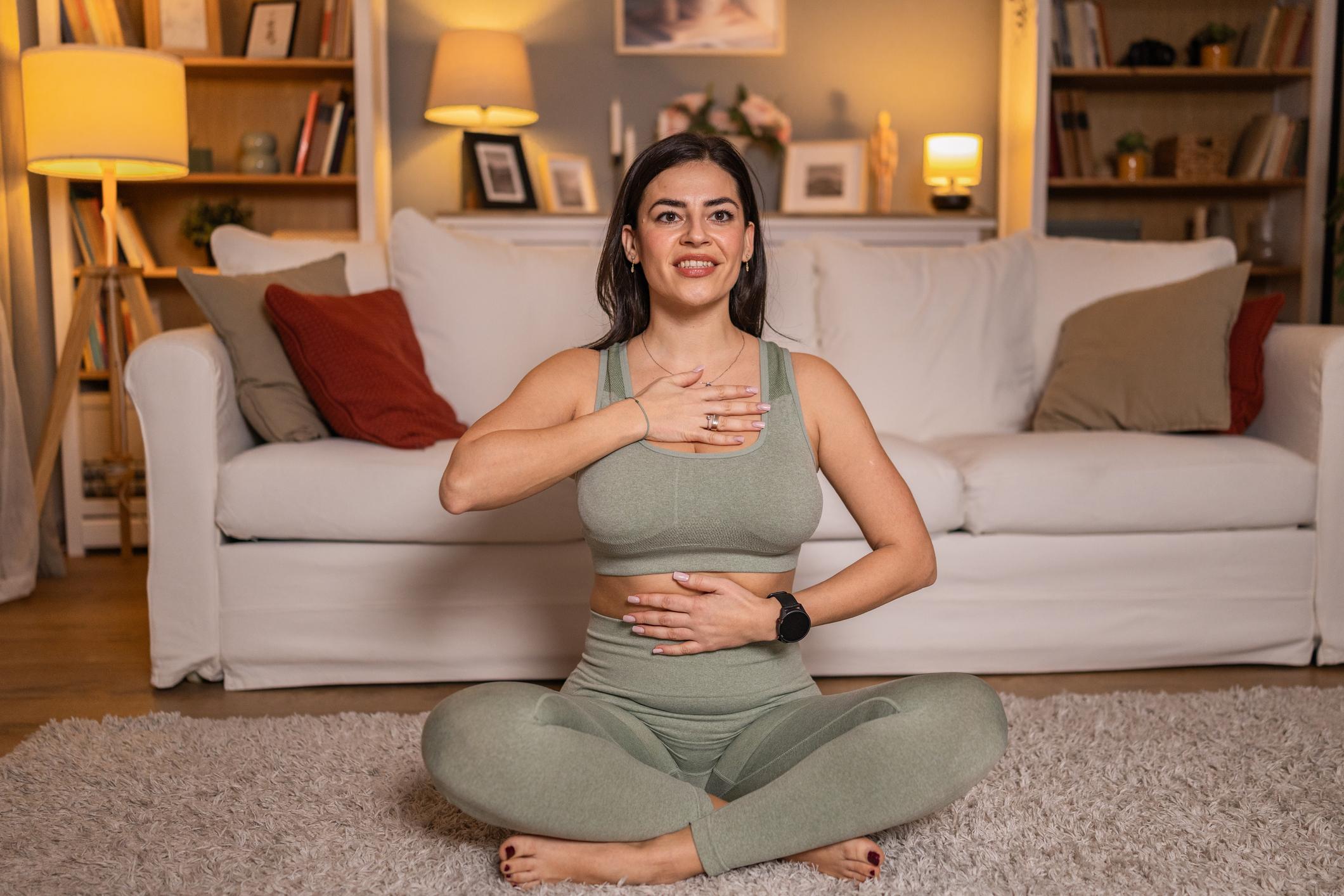
1. Practice Deep Breathing
Deep breathing activates the body’s relaxation response and reduces cortisol levels.
Simple breathing exercise
- Sit comfortably with your back straight.
- Inhale slowly through your nose for four seconds.
- Hold the breath for four seconds.
- Exhale slowly through your mouth for six seconds.
Repeating this exercise for 5–10 minutes can quickly calm the nervous system.
2. Exercise Regularly
Physical activity is one of the most effective natural stress relievers.
According to the Centers for Disease Control and Prevention, regular exercise helps improve mood and reduce anxiety.
Stress-reducing exercises
| Activity | Benefits |
| Walking | Improves mood and circulation |
| Yoga | Combines movement with relaxation |
| Cycling | Boosts cardiovascular health |
| Strength training | Releases endorphins |
Aim for 30 minutes of moderate exercise most days of the week.
3. Get Enough Sleep
Sleep and stress are closely connected. Poor sleep can increase cortisol levels and worsen emotional stress.
Experts from the National Sleep Foundation recommend 7–9 hours of sleep per night for adults.
Tips for better sleep
- Maintain a consistent bedtime
- Avoid screens before sleep
- Keep your bedroom cool and dark
- Limit caffeine in the evening
4. Practice Mindfulness or Meditation
Mindfulness meditation helps train the mind to stay present and reduce anxiety.
Studies have shown that regular meditation can lower stress hormones and improve emotional control.
Beginner meditation practice
- Sit quietly for 5–10 minutes
- Focus on your breathing
- Gently bring attention back when your mind wanders
Over time, mindfulness can improve mental clarity and emotional resilience.
5. Spend Time in Nature
Nature has a calming effect on the mind and body.
Research suggests that spending time outdoors can reduce stress levels, improve mood, and enhance creativity.
Simple ways to connect with nature
- Walk in a park
- Go hiking
- Spend time near water
- Garden or care for plants
Even 15–20 minutes outside can have noticeable stress-relieving effects.
6. Eat a Balanced Diet
Nutrition plays a significant role in stress management.
Certain nutrients help regulate mood and support brain function.
Stress-supporting nutrients
| Nutrient | Food Sources |
| Magnesium | Spinach, nuts, whole grains |
| Omega-3 fatty acids | Salmon, walnuts |
| Vitamin B | Eggs, leafy greens |
| Antioxidants | Fruits and vegetables |
A balanced diet helps stabilize blood sugar and improve overall energy levels.
7. Limit Caffeine and Sugar
Excess caffeine and sugar can increase anxiety and cause energy crashes.
Reducing these stimulants may help stabilize mood and prevent stress spikes.
Consider replacing sugary drinks with:
- Herbal tea
- Water with lemon
- Fresh fruit smoothies
8. Connect With Friends and Family
Social support is essential for emotional health.
Talking to someone you trust can provide perspective and emotional relief during stressful situations.
Ways to strengthen connections
- Schedule regular phone calls
- Spend quality time with family
- Join social groups or communities
Strong relationships can act as a buffer against stress.
9. Manage Your Time Effectively
Poor time management can increase stress and overwhelm.
Time management tips
- Prioritize important tasks
- Break large tasks into smaller steps
- Use a daily planner
- Avoid multitasking
Organizing your schedule can reduce mental clutter and improve productivity.
10. Practice Relaxing Hobbies
Engaging in enjoyable activities helps the brain recover from stress.
Examples include:
- Reading
- Painting or drawing
- Listening to music
- Cooking
- Gardening
These activities help shift focus away from stress and promote relaxation.
Benefits of Managing Stress Naturally
Reducing stress naturally can improve multiple aspects of health.
| Benefit | Impact |
| Better mental health | Reduced anxiety and depression |
| Improved sleep | Higher energy levels |
| Stronger immune system | Reduced illness risk |
| Better heart health | Lower blood pressure |
| Improved focus | Increased productivity |
Healthy stress management supports long-term physical and emotional well-being.
Frequently Asked Questions
What is the fastest way to reduce stress naturally?
Deep breathing and short walks are among the fastest ways to calm the body and reduce stress hormones.
Can exercise help relieve stress?
Yes. Physical activity releases endorphins, which improve mood and reduce stress.
How does sleep affect stress?
Lack of sleep increases cortisol levels, making stress more difficult to manage.
Are natural stress-relief methods effective?
Yes. Practices like meditation, exercise, and balanced nutrition are supported by scientific research and health experts.
When should someone seek professional help for stress?
If stress becomes overwhelming, persistent, or interferes with daily life, it is important to consult a healthcare professional.
Internal Linking Suggestions
To strengthen your blog SEO, link this article to related posts such as:
- 10 Daily Habits for a Healthy Lifestyle
- Beginner’s Guide to a Balanced Diet
- Home Workout Plan for Beginners
These internal links improve site structure and user engagement.
External References
Information in this article is supported by trusted health organizations:
- American Psychological Association
- National Institutes of Health
- Centers for Disease Control and Prevention
- National Sleep Foundation
Conclusion
Stress is a natural part of life, but chronic stress doesn’t have to control your well-being. By incorporating simple daily habits—such as exercise, mindfulness, healthy eating, and strong social connections—you can reduce stress naturally and improve both mental and physical health.
Remember, managing stress is not about eliminating challenges but learning how to respond to them in healthier ways.
Start with one or two of the strategies discussed in this guide and gradually build a routine that works best for you.
Your journey toward a calmer, healthier life can begin today.