Tag

healthy lifestyle

Browsing

Eating a balanced diet is one of the most effective ways to maintain good health and prevent chronic diseases. However, many people struggle to understand what “balanced nutrition” actually means. With so many diet trends and conflicting advice online, it’s easy to feel overwhelmed.

According to the Centers for Disease Control and Prevention, poor nutrition contributes to conditions such as heart disease, obesity, and type 2 diabetes—three of the leading health concerns in the United States. At the same time, research from the National Institutes of Health shows that adopting healthy eating habits can significantly improve energy levels, support immune function, and reduce the risk of chronic illness.

The good news? You don’t need a complicated diet plan to eat well. A balanced diet simply means consuming a variety of nutrient-rich foods in the right proportions to support your body’s needs.

In this beginner’s guide, you’ll learn what a balanced diet looks like, why it matters, and how to build healthier meals step by step.

What Is a Balanced Diet?

A balanced diet provides your body with essential nutrients—carbohydrates, proteins, fats, vitamins, minerals, and water—in the right amounts.

These nutrients help the body:

  • Produce energy
  • Repair tissues
  • Support brain function
  • Maintain immune health
  • Regulate hormones

The US Department of Agriculture recommends a healthy eating pattern that includes fruits, vegetables, whole grains, lean protein, and healthy fats.

The Five Essential Food Groups

A balanced diet includes foods from the following categories.

Food GroupExamplesKey NutrientsBenefits
FruitsApples, berries, orangesVitamins, antioxidantsSupports immunity
VegetablesSpinach, broccoli, carrotsFiber, mineralsPromotes digestion
Whole GrainsBrown rice, oats, quinoaComplex carbs, fiberProvides long-lasting energy
ProteinChicken, fish, beans, eggsAmino acidsBuilds muscles and tissues
Healthy FatsAvocado, nuts, olive oilOmega-3 fatty acidsSupports heart and brain health

Including foods from each group ensures your body gets a wide range of nutrients.

Why a Balanced Diet Is Important

Eating a variety of nutritious foods helps protect your health in several ways.

1. Supports Heart Health

Diets rich in fruits, vegetables, and whole grains help lower cholesterol and blood pressure.

2. Helps Maintain Healthy Weight

Balanced meals help control calorie intake while keeping you full longer.

3. Improves Energy Levels

Nutrient-rich foods provide sustained energy throughout the day.

4. Strengthens Immune System

Essential vitamins and minerals help the body fight infections.

Key Nutrients Your Body Needs

Understanding macronutrients and micronutrients can help you make smarter food choices.

Macronutrients

These nutrients provide energy.

Carbohydrates

Carbs are the body’s main energy source.

Healthy sources include:

  • Whole grains
  • Fruits
  • Vegetables
  • Legumes

Protein

Protein supports muscle repair and tissue growth.

Examples include:

  • Lean meat
  • Fish
  • Eggs
  • Beans
  • Tofu

Healthy Fats

Healthy fats support brain and heart health.

Good sources:

  • Olive oil
  • Avocados
  • Nuts and seeds
  • Fatty fish

Micronutrients

Micronutrients include vitamins and minerals that support important bodily functions.

NutrientSourcesFunction
Vitamin CCitrus fruits, peppersImmune support
CalciumDairy, leafy greensBone health
IronSpinach, red meatOxygen transport
Vitamin DSunlight, fishBone and immune health

How to Build a Balanced Meal

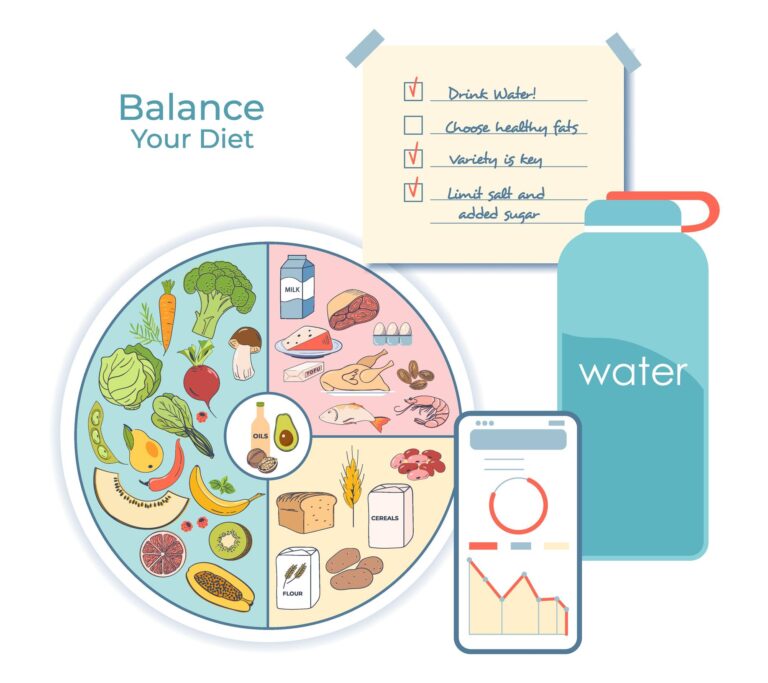
One of the easiest ways to eat healthy is by following the balanced plate method.

Balanced Plate Example

PortionFood Type
50%Vegetables and fruits
25%Whole grains
25%Lean protein
Small portionHealthy fats

This method helps ensure proper nutrient balance without complicated calorie counting.

Simple Tips to Start Eating a Balanced Diet

Making dietary changes doesn’t have to be difficult. Small adjustments can make a big difference.

1. Eat More Whole Foods

Choose natural foods instead of heavily processed products.

2. Add More Fruits and Vegetables

Aim for at least five servings daily.

3. Drink Enough Water

Hydration supports digestion and metabolism.

4. Limit Added Sugar

Reduce sugary beverages and snacks.

5. Plan Your Meals

Meal planning can help prevent unhealthy choices.

Common Mistakes to Avoid

Many beginners make these mistakes when trying to eat healthier.

Skipping Meals

Skipping meals can lead to overeating later.

Following Extreme Diets

Restrictive diets are difficult to maintain long term.

Ignoring Portion Sizes

Even healthy foods should be consumed in appropriate portions.

Relying on Processed “Health” Foods

Many packaged foods marketed as healthy contain hidden sugars or sodium.

Sample Balanced Meal Plan (Beginner Friendly)

MealExample
BreakfastOatmeal with berries and almonds
LunchGrilled chicken salad with olive oil dressing
SnackGreek yogurt and fruit
DinnerSalmon, quinoa, and roasted vegetables

This type of meal plan provides balanced nutrition throughout the day.

Frequently Asked Questions

What is the easiest way to start a balanced diet?

Start by including more fruits, vegetables, whole grains, and lean proteins in your meals while reducing processed foods and added sugars.

How many calories should a balanced diet include?

Calorie needs vary depending on age, gender, and activity level. Most adults require between 1,800 and 2,400 calories per day.

Can a balanced diet help with weight loss?

Yes. Balanced diets help control hunger, improve metabolism, and promote sustainable weight management.

Is it okay to have occasional treats?

Yes. Moderation is key. Healthy eating allows room for occasional indulgences without guilt.

Do I need supplements if I eat a balanced diet?

Most people can get necessary nutrients from food, but supplements may be recommended by healthcare providers in certain cases.

Internal Linking Suggestions

To strengthen your blog’s SEO, link this article with related posts such as:

  • 10 Daily Habits for a Healthy Lifestyle
  • Best Foods for Heart Health
  • Healthy Morning Routine for Better Energy

Trusted Health References

Information in this guide is supported by trusted health authorities including:

  • Centers for Disease Control and Prevention
  • National Institutes of Health
  • US Department of Agriculture

Conclusion

A balanced diet doesn’t require strict dieting or complicated nutrition plans. Instead, it focuses on variety, moderation, and nutrient-rich foods that nourish your body and support long-term health.

By incorporating more whole foods, balancing your meals, and making small improvements to your eating habits, you can create a sustainable lifestyle that benefits both your physical and mental well-being.

Start today by making one healthy change to your daily meals—your body will thank you for it.

Living a healthy lifestyle doesn’t require drastic changes or complicated routines. Often, the most powerful improvements come from small, consistent habits practiced every day. In the United States, chronic diseases such as heart disease, diabetes, and obesity remain major health challenges. According to the Centers for Disease Control and Prevention, six in ten adults in the U.S. have at least one chronic disease, many of which are linked to lifestyle choices.

The encouraging news is that many of these conditions are preventable. Research from the National Institutes of Health shows that daily habits—like regular exercise, healthy eating, and adequate sleep—play a critical role in long-term health and disease prevention.

In this guide, we’ll explore 10 daily habits for a healthy lifestyle that can improve your physical health, mental well-being, and overall quality of life. These simple practices are supported by health experts and can be easily integrated into your everyday routine.

Why Daily Habits Matter for Long-Term Health

Healthy living isn’t about occasional efforts; it’s about consistency. Daily routines influence everything from metabolism and immune function to mood and energy levels.

Benefits of healthy daily habits

  • Lower risk of chronic diseases
  • Improved mental health and emotional resilience
  • Better sleep quality
  • Increased energy levels
  • Stronger immune system

Small daily actions can compound over time, leading to significant improvements in health and longevity.

1. Start Your Day With Hydration

After several hours of sleep, your body wakes up dehydrated. Drinking water first thing in the morning helps kick-start metabolism and supports essential bodily functions.

Benefits of morning hydration

  • Supports digestion
  • Improves concentration
  • Boosts metabolism
  • Helps maintain healthy skin

Actionable Tip:
Drink one to two glasses of water within 30 minutes of waking up.

2. Eat a Balanced and Nutritious Breakfast

Skipping breakfast can lead to energy crashes and overeating later in the day. A balanced breakfast provides nutrients your body needs to function properly.

Healthy breakfast components

NutrientExamplesBenefits
ProteinEggs, Greek yogurtKeeps you full longer
FiberOatmeal, fruitsSupports digestion
Healthy fatsNuts, avocadoSupports brain health

Expert Tip:
Aim for a breakfast that includes protein, fiber, and healthy fats to maintain stable blood sugar levels.

3. Move Your Body Every Day

Regular physical activity is one of the most powerful habits for maintaining overall health. According to guidelines from the American Heart Association, adults should aim for at least 150 minutes of moderate exercise per week.

Simple ways to stay active daily

  • Walking for 30 minutes
  • Stretching or yoga
  • Cycling
  • Bodyweight exercises

Actionable Tip:
If you sit for long periods, try the “30-minute rule”—stand up and move for a few minutes every half hour.

4. Eat More Whole Foods

A healthy lifestyle starts in the kitchen. Whole foods provide essential vitamins, minerals, and antioxidants that help protect your body from disease.

Examples of nutrient-rich whole foods

  • Fresh fruits and vegetables
  • Whole grains
  • Lean proteins
  • Nuts and seeds

Try to minimize ultra-processed foods that contain high levels of sugar, sodium, and unhealthy fats.

5. Prioritize Quality Sleep

Sleep is essential for physical recovery and mental clarity. Studies from the National Sleep Foundation recommend that adults get 7–9 hours of sleep per night.

Benefits of good sleep

  • Improved immune function
  • Better memory and concentration
  • Reduced stress and anxiety
  • Balanced hormones

Healthy sleep habit:
Maintain a consistent bedtime schedule—even on weekends.

6. Manage Stress Effectively

Chronic stress can negatively affect heart health, immunity, and mental well-being. Practicing stress management daily can significantly improve overall health.

Healthy stress-relief activities

  • Meditation
  • Deep breathing exercises
  • Journaling
  • Spending time outdoors

Even 5–10 minutes of mindfulness can make a difference.

7. Limit Sugar and Processed Foods

Many modern diets contain excessive sugar and processed ingredients. High sugar intake is linked to obesity, diabetes, and heart disease.

Tips to reduce sugar consumption

  • Avoid sugary drinks
  • Choose whole fruits instead of sweets
  • Read nutrition labels carefully
  • Cook more meals at home

Small dietary adjustments can lead to significant health improvements over time.

8. Maintain Social Connections

Human connection is an important component of health. Studies show that strong relationships improve emotional resilience and reduce the risk of depression.

Ways to strengthen social well-being

  • Call or visit friends regularly
  • Join community groups
  • Participate in social activities
  • Spend quality time with family

Healthy relationships contribute to both mental and physical health.

9. Practice Good Hygiene

Good hygiene habits help prevent illness and protect your overall health.

Essential hygiene practices

  • Wash hands frequently
  • Maintain oral health (brush and floss daily)
  • Keep living spaces clean
  • Practice safe food handling

These simple habits significantly reduce the spread of bacteria and viruses.

10. Schedule Regular Health Checkups

Preventive care is a key part of maintaining a healthy lifestyle. Regular medical checkups help detect potential issues early.

Important health screenings

ScreeningPurpose
Blood pressure checkDetect hypertension
Cholesterol testAssess heart health
Blood glucose testMonitor diabetes risk
Routine physical examOverall health assessment

Early detection allows healthcare providers to address problems before they become serious.

Quick Summary: 10 Healthy Daily Habits

HabitKey Benefit
Drink water in the morningImproves metabolism
Eat balanced mealsSupports energy levels
Exercise dailyStrengthens heart and muscles
Eat whole foodsProvides essential nutrients
Sleep 7–9 hoursSupports recovery
Manage stressProtects mental health
Reduce sugar intakePrevents chronic diseases
Stay socially connectedImproves emotional well-being
Maintain hygienePrevents illness
Get regular checkupsDetects health issues early

Frequently Asked Questions (FAQs)

What are the most important daily habits for good health?

The most important habits include staying physically active, eating a balanced diet, getting enough sleep, managing stress, and maintaining proper hydration.

How long does it take to build healthy habits?

Research suggests that forming a new habit can take 21 to 66 days, depending on the complexity of the behavior and individual consistency.

Can small lifestyle changes really improve health?

Yes. Small daily habits, when practiced consistently, can significantly reduce the risk of chronic diseases and improve overall well-being.

How much exercise should adults get daily?

Health experts recommend at least 150 minutes of moderate exercise per week, which equals about 30 minutes a day for five days.

Is drinking water important for overall health?

Yes. Proper hydration supports digestion, temperature regulation, nutrient transport, and overall body function.

Internal Linking Suggestions

To strengthen your blog’s SEO, consider linking this article to related posts such as:

  • Healthy Morning Routine Guide
  • Best Foods for Heart Health
  • How to Improve Sleep Naturally

Trusted Health References

Information in this article is supported by reputable health organizations including:

  • Centers for Disease Control and Prevention
  • National Institutes of Health
  • American Heart Association
  • National Sleep Foundation

Conclusion

Healthy living is not about perfection—it’s about consistency. By incorporating these 10 daily habits for a healthy lifestyle, you can significantly improve your physical health, mental well-being, and overall quality of life.

Start small. Choose one or two habits today and gradually build from there. Over time, these small changes can lead to lasting improvements in your health and well-being.

Your journey toward better health begins with the choices you make every day.

Medical Disclaimer:
This article is for informational purposes only and should not be considered medical advice. Always consult a qualified healthcare professional before making changes to your diet, exercise routine, or health practices.