Heart disease remains one of the leading health concerns worldwide and continues to be the number one cause of death in the United States. According to the Centers for Disease Control and Prevention, about 1 in 5 deaths in the U.S. is caused by heart disease. The condition often develops slowly over time, making it difficult to recognize until symptoms become severe.
However, many people experience early warning signs of heart disease long before a major event like a heart attack occurs. Recognizing these signs early can help individuals seek medical care and prevent serious complications.
Experts from the American Heart Association emphasize that early detection and lifestyle changes can significantly reduce the risk of heart disease.
In this guide, we’ll explore the early symptoms, risk factors, and prevention strategies that can help you protect your heart and overall health.
What Is Heart Disease?
Heart disease refers to a group of conditions that affect the heart and blood vessels. The most common type is coronary artery disease, which occurs when arteries become narrowed or blocked due to plaque buildup.
Other types of heart disease include:
- Heart rhythm disorders (arrhythmias)
- Heart valve disease
- Heart failure
- Congenital heart defects
Many forms of heart disease develop gradually, which is why understanding the early warning signs is crucial.
Why Early Detection Matters
Early detection can help prevent severe complications such as heart attacks, strokes, or heart failure.
Benefits of early diagnosis
- Prevents disease progression
- Improves treatment outcomes
- Reduces risk of heart attack
- Supports healthier lifestyle changes
The National Institutes of Health notes that lifestyle modifications and early treatment can significantly lower cardiovascular risk.
Common Early Signs of Heart Disease
Not everyone experiences the same symptoms, but several early warning signs are commonly reported.
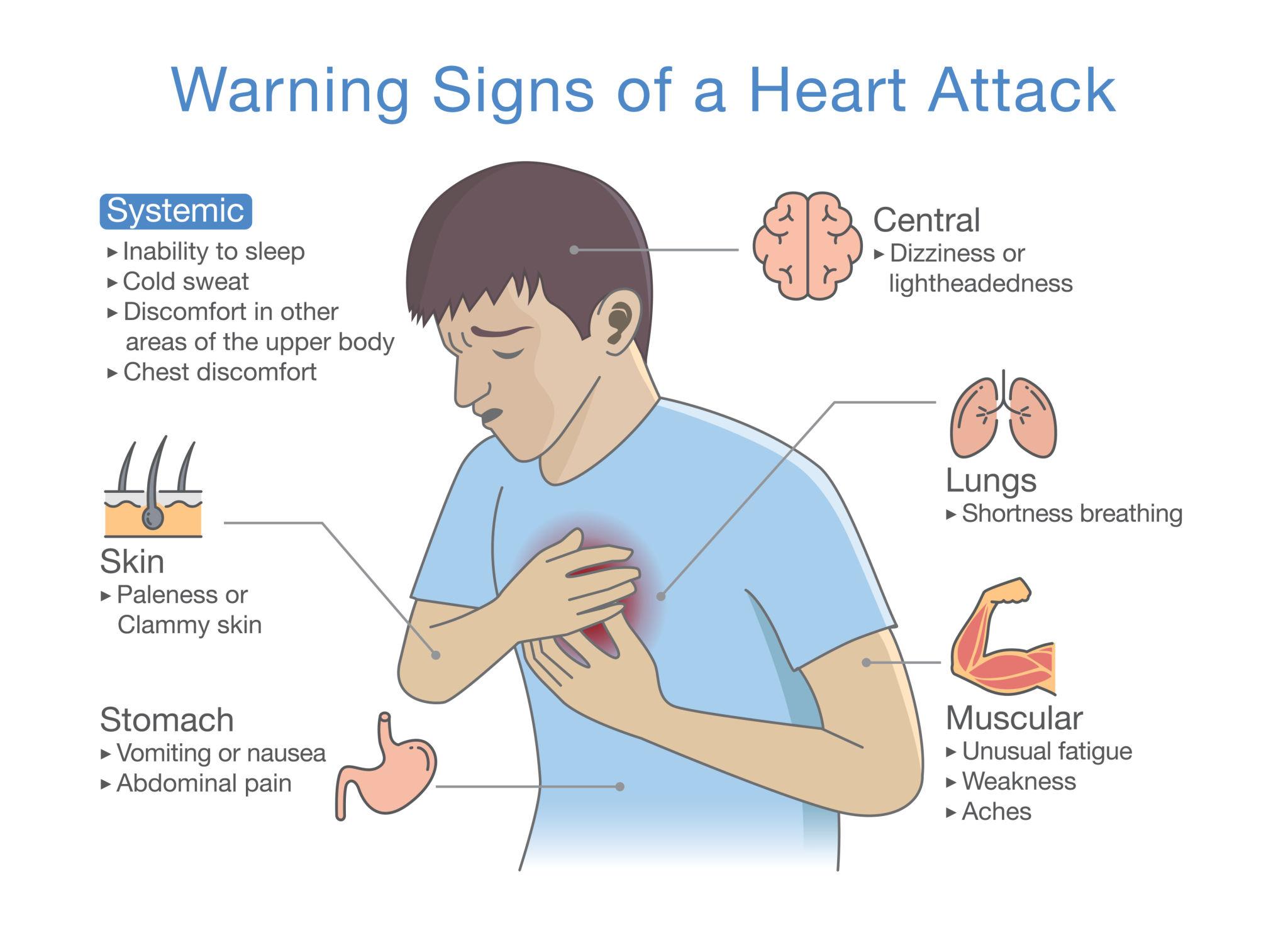
1. Chest Discomfort or Pain
Chest pain, also known as angina, is one of the most recognized signs of heart disease.
What it may feel like
- Pressure or tightness in the chest
- Burning or squeezing sensation
- Pain that spreads to arms, neck, or jaw
This symptom occurs when the heart muscle doesn’t receive enough oxygen-rich blood.
2. Shortness of Breath
Difficulty breathing during normal activities may indicate that the heart is struggling to pump blood efficiently.
Common situations
- Climbing stairs
- Walking short distances
- Lying down
Shortness of breath may occur before or during chest discomfort.
3. Unusual Fatigue
Persistent fatigue that cannot be explained by lifestyle factors may be an early warning sign of heart disease.
Why it happens
When the heart cannot pump blood efficiently, the body receives less oxygen and nutrients, leading to extreme tiredness.
Women often report fatigue as an early symptom before a heart attack.
4. Dizziness or Lightheadedness
Reduced blood flow to the brain can cause dizziness or fainting.
This symptom may occur when the heart cannot maintain stable blood circulation.
5. Swelling in Legs, Ankles, or Feet
Fluid retention in the lower body may indicate heart problems.
Causes
- Reduced heart pumping ability
- Blood circulation issues
- Fluid buildup in tissues
This condition is commonly associated with heart failure.
6. Irregular Heartbeat
An abnormal or irregular heartbeat may feel like:
- Fluttering in the chest
- Rapid heartbeat
- Skipped beats
Occasional irregular heartbeats are common, but frequent episodes should be evaluated by a healthcare professional.
7. Pain in Other Areas of the Body
Heart-related pain may not always appear in the chest.
It can spread to:
- Arms
- Neck
- Jaw
- Back
- Shoulders
This type of pain may occur during physical activity or emotional stress.
Key Risk Factors for Heart Disease
Several factors increase the likelihood of developing heart disease.
| Risk Factor | Description |
| High blood pressure | Damages blood vessels over time |
| High cholesterol | Leads to plaque buildup in arteries |
| Smoking | Reduces oxygen supply and damages arteries |
| Obesity | Increases strain on the heart |
| Diabetes | Raises cardiovascular risk |
| Physical inactivity | Weakens heart health |
Managing these risk factors can significantly reduce heart disease risk.
How to Reduce Your Risk of Heart Disease
Prevention plays a crucial role in maintaining heart health.
1. Eat a Heart-Healthy Diet
A nutritious diet supports cardiovascular health.
Recommended foods
- Fruits and vegetables
- Whole grains
- Lean proteins
- Healthy fats like olive oil and nuts
Limiting processed foods and excessive salt can also help reduce blood pressure.
2. Exercise Regularly
Physical activity strengthens the heart muscle and improves circulation.
The Centers for Disease Control and Prevention recommends 150 minutes of moderate exercise weekly.
Examples include:
- Walking
- Cycling
- Swimming
- Strength training
3. Maintain a Healthy Weight
Excess body weight increases strain on the heart and raises the risk of high blood pressure and diabetes.
Gradual lifestyle changes such as balanced eating and regular activity can help maintain a healthy weight.
4. Manage Stress
Chronic stress can raise blood pressure and contribute to heart disease.
Practices such as meditation, yoga, and deep breathing can help reduce stress levels.
5. Get Regular Health Checkups
Routine medical screenings help detect risk factors early.
Important tests include:
| Test | Purpose |
| Blood pressure | Detect hypertension |
| Cholesterol test | Evaluate artery health |
| Blood glucose | Monitor diabetes risk |
| ECG | Assess heart rhythm |
Early diagnosis allows doctors to recommend preventive measures.
When to See a Doctor
You should seek medical attention if you experience:
- Persistent chest discomfort
- Severe shortness of breath
- Fainting or dizziness
- Sudden fatigue
- Irregular heartbeat
Early medical evaluation can prevent serious complications.
Frequently Asked Questions (FAQ)
What are the first warning signs of heart disease?
Common early symptoms include chest discomfort, shortness of breath, fatigue, and dizziness.
Can heart disease develop without symptoms?
Yes. Some individuals may not experience noticeable symptoms until the condition becomes severe.
Who is most at risk for heart disease?
People with high blood pressure, diabetes, obesity, smoking habits, or family history are at higher risk.
Can lifestyle changes prevent heart disease?
Yes. Healthy eating, regular exercise, and stress management significantly reduce cardiovascular risk.
How often should heart health be checked?
Adults should have regular health screenings and discuss cardiovascular risk with their healthcare provider.
Internal Linking Suggestions
To strengthen your website SEO, link this article to related posts such as:
- 10 Daily Habits for a Healthy Lifestyle
- Beginner’s Guide to a Balanced Diet
- How to Reduce Stress Naturally
Internal linking helps improve user experience and search engine rankings.
External References
Information in this article is supported by trusted health organizations:
- Centers for Disease Control and Prevention
- American Heart Association
- National Institutes of Health
Conclusion
Heart disease often develops silently, but recognizing the early signs of heart disease can make a life-saving difference. Symptoms such as chest discomfort, fatigue, shortness of breath, and irregular heartbeat should never be ignored.
The good news is that many risk factors can be managed through healthy lifestyle choices, including balanced nutrition, regular exercise, and routine medical checkups.
Taking proactive steps today can help protect your heart and improve your long-term health.
Your heart works for you every day—taking care of it is one of the most important investments in your health.